Step into a traditional Kashmiri home on a cold evening and you feel it before you see it: a woollen shawl on the arm of a chair, a copper samovar glowing on a side table, a carpet whose pattern seems to shift with the light. These are not showpieces. They are everyday objects, made by hand and made to be used.
The good news is that you can bring the same warmth to any home, in any city. This guide explains how to decorate with Kashmiri handicrafts, which pieces to start with, and how to buy with confidence when you shop Kashmiri Handicrafts Online.
What makes Kashmiri handicrafts special?
Kashmiri handicrafts are objects made entirely by hand, using techniques that families have passed down for generations. The best known are hand-painted papier-mâché, carved walnut wood, sozni needlework, hand-knotted carpets, copperware and finely woven shawls. Each piece is made one at a time, so no two are quite alike.
Several of these crafts, including Pashmina, Kani shawls, papier-mâché, walnut wood carving and hand-knotted carpets, hold Geographical Indication (GI) status, which ties them officially to the region. When you choose them, you are buying skill as much as décor.
Where to place Kashmiri handicrafts in each room
- Living room. Give your shelf one hero. A papier-mâché vase in deep red, indigo or gold draws the eye without crowding the room. Swap plain cushion covers for crewel or aari embroidery to add colour and texture to a neutral sofa. A carved walnut tray on the coffee table adds warmth and is useful for serving tea.
- Bedroom. Fold a soft shawl or an embroidered throw across the foot of the bed. It looks finished, and it is right there when the night turns cold.
- Dining area. Kashmiri copperware suits the table well. A samovar of kahwa, served with almonds and a few strands of saffron, turns an ordinary evening into an occasion.
- Entryway. A small painted box for keys, or a framed piece of embroidery, greets guests with a story before they sit down.
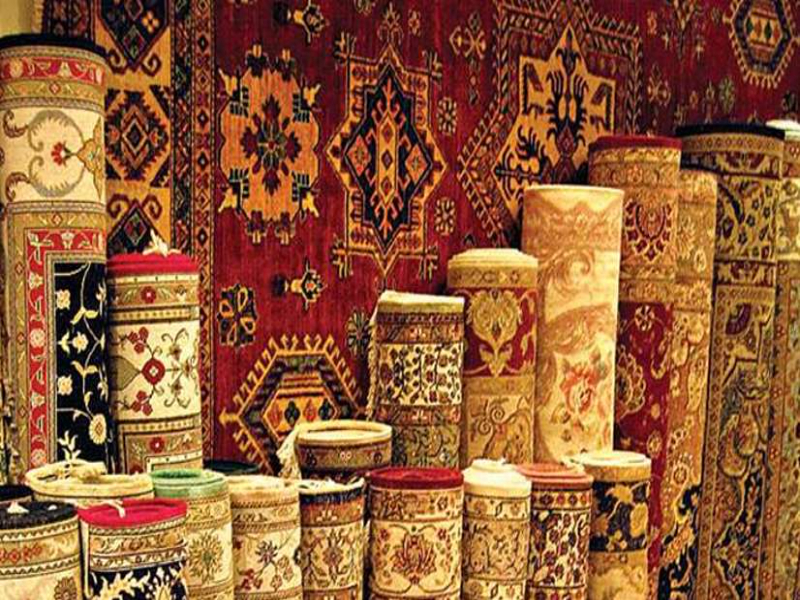
- Floor. A hand-knotted carpet anchors a room. Choose it first if you can, then build the rest of the décor around its colours.
Can you decorate with a pashmina shawl?
Yes. A pashmina is as useful on a sofa as it is on your shoulders. Drape one over the arm of a reading chair, fold it on a bench, or lay it across a bed as an accent. Its fine fibre is light, soft and warm, so it works as a cosy throw as well as a style piece.
Store it folded in a breathable cotton cloth, away from damp, with natural moth repellents such as lavender sachets. Dry-clean it or wash it gently by hand, and never wring it or hang it wet.
How to find Authentic Pashmina Shawls Online
Buying a shawl you cannot touch takes a little care. Real pashmina comes from the soft undercoat of Changthangi goats raised at high altitude in Ladakh, then hand-spun and hand-woven by artisans in Kashmir. Use this checklist:
- Look for the GI label or authenticity tag, ideally with a number or QR code you can verify.
- Check the fibre details. A listing should say Authentic pashmina Shawl, or clearly name any blend such as silk or wool.
- Be wary of very low prices. Hand-spinning and weaving take days, so bargain “pashmina” is often viscose or acrylic.
- Expect tiny irregularities. Slight variations are normal in handmade cloth, while perfect uniformity can point to a machine.
- Ask about the maker, the origin and the return policy. A trustworthy seller answers without fuss.
Simple styling rules that always work
- Pick one hero colour from your main piece and repeat it in two other places in the room.
- Mix materials. Wood, wool, copper and paint look rich together.
- Group objects in odd numbers. Three items on a shelf look more natural than two or four.
- Leave empty space. Handicrafts need room to be noticed.
- Give painted pieces good light so the gold work catches the eye.
A checklist for buying Kashmiri handicrafts online
Shopping for Kashmiri Handicrafts Online is easy once you know what to look for:
- Clear photographs, including close-ups of the detail and the back.
- Named materials and dimensions, not vague words like “premium”.
- A GI tag, Craftmark or maker information where available.
- Careful packing, especially for papier-mâché and wood.
- A written return and damage policy.
- Genuine customer reviews, ideally with photos.
If a seller cannot say who made a piece, keep looking.
Frequently asked questions
Are Kashmiri handicrafts expensive?
Prices follow the hours of work. A hand-painted box or cushion cover is an easy first purchase, while carpets and fine shawls are long-term investments.
How do I clean papier-mâché?
Wipe it gently with a dry, soft cloth. Keep it away from water, damp and strong sunlight.
How can I tell if a pashmina is real?
Check for a verifiable GI label, clear fibre details, a realistic price and a seller who can name the maker and origin.
What should I buy first?
A papier-mâché piece or an embroidered cushion cover. Both are affordable, easy to place and show off the craft well.
Bring a little Kashmir home
Decorating with Kashmiri handicrafts is not about filling a room.It is about choosing a few pieces with a story and giving them space. Start with one, learn how it was made, and add slowly. Whether you begin with a painted vase or a soft shawl, buy from sellers who are open about who made it. Your home will feel warmer for it.