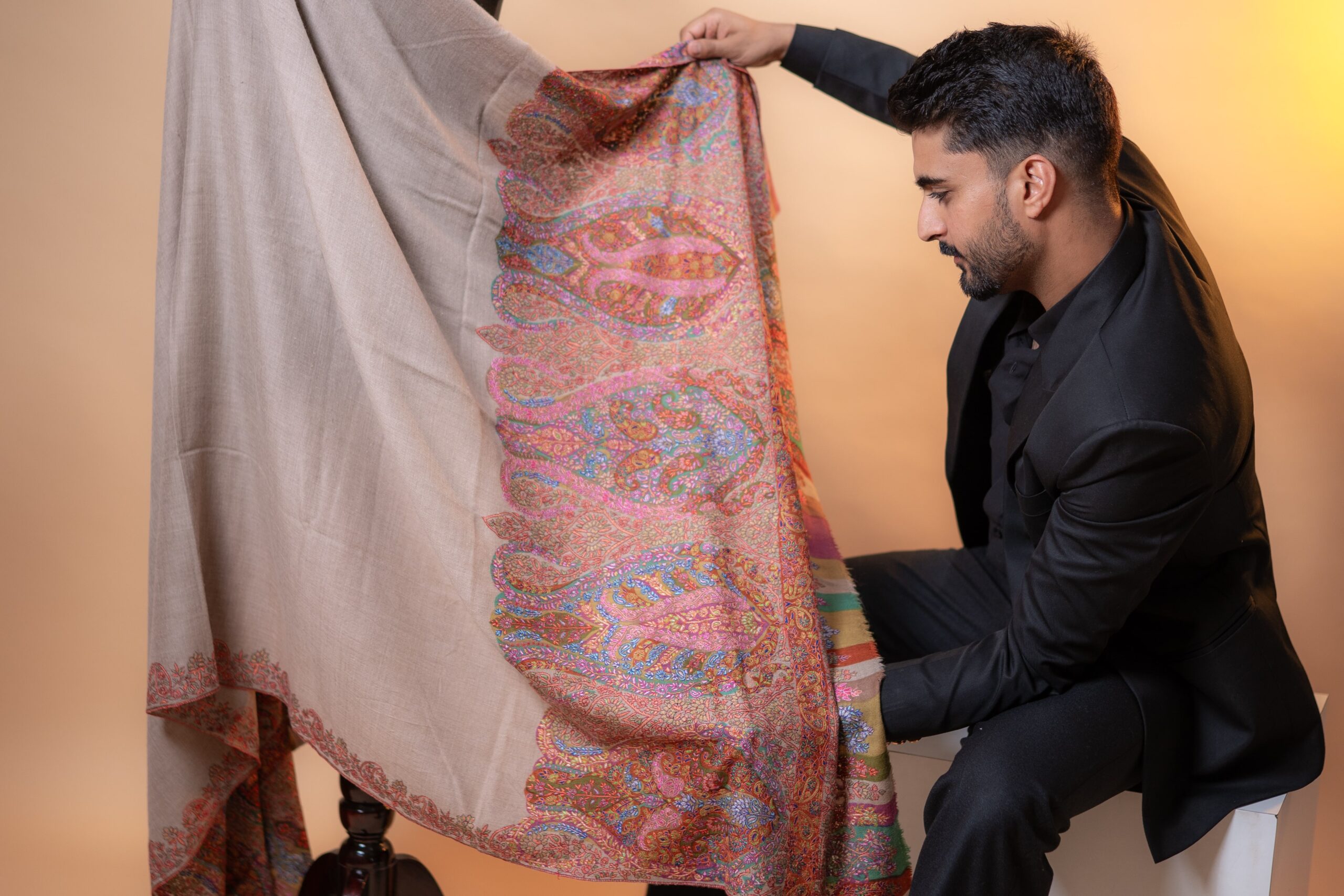
The Pashmina Story

Where mountain air, memory, and mastery become one.

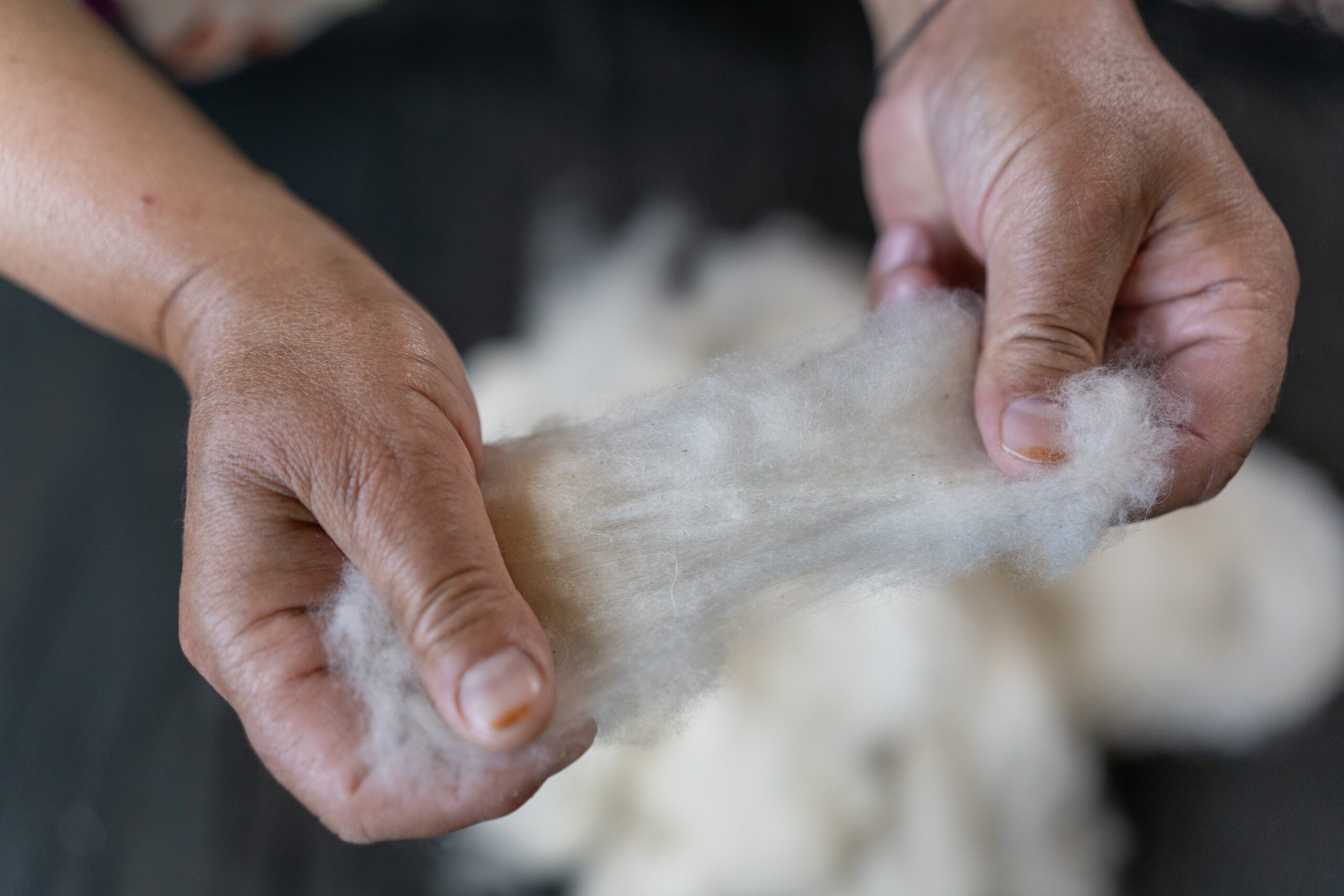
High in the harsh, windswept plateaus of Ladakh roams a rare breed of goat known as the Changthangi. For most of the year, they endure freezing Himalayan temperatures, growing a warm, soft undercoat to survive. Each spring, this precious undercoat—known as pashm—is gently combed by hand. It is here that the story of true pashmina begins.

But pashm alone is not pashmina.
The transformation from raw fiber to an heirloom shawl is a slow, soul-led journey that cannot be rushed or replicated.
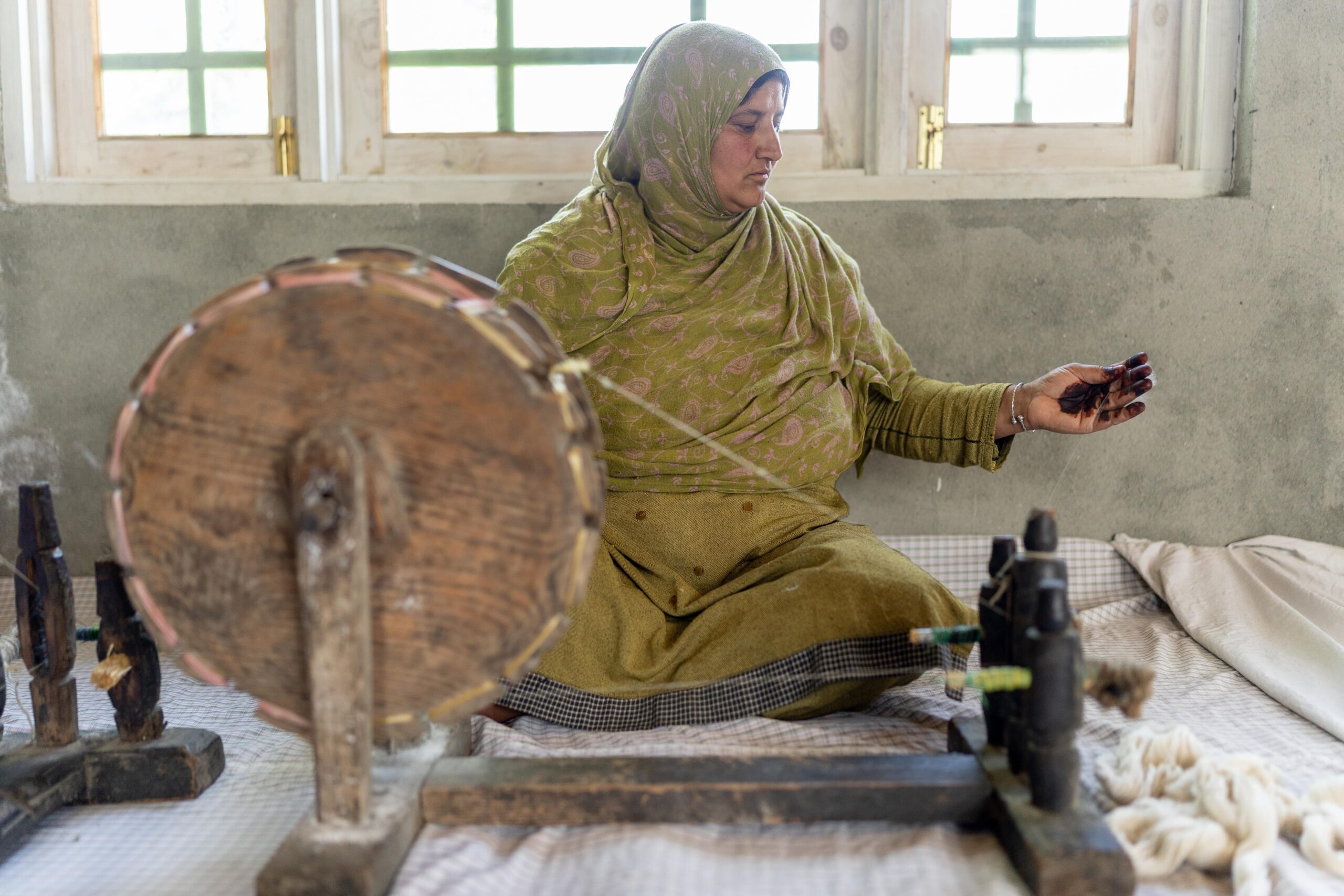
Spun by Hand. Never by Machine.

Once harvested, the fine wool is hand-cleaned and carded, then spun into delicate yarn using a traditional spindle called a yinder. Machines are too harsh for pashmina’s fragile fibers—only human hands can preserve its softness and strength.

This handspun yarn is then woven on wooden looms, often by master weavers who have inherited the craft from generations before. Each shawl takes weeks or even months to complete, depending on the complexity of the weave and any embroidery that follows.

Soft as Mist. Rare as Gold.

The result is unlike anything else in the world. Authentic pashmina is weightless yet warm, delicate yet enduring, with a luxurious drape that no synthetic or machine-made fiber can imitate. It glides against the skin like breath—gentle, living, and timeless.

It is not just fabric. It is the soul of a landscape, spun from the quiet resilience of Himalayan goats and shaped by the hands of artisans whose skills have weathered centuries.

Each thread carries the spirit of Ladakh and the soul of Kashmir—softness woven with heritage and quiet grace.

Wearing true pashmina is not about fashion.
It is about belonging to a story—one that begins in the mountains and ends wrapped around your shoulders.

A Fabric of Legacy. A Labor of Love.

Every pashmina shawl we offer is more than an accessory. It is a story told through wool and willpower—of pastoralists in Ladakh, of women spinning thread in quiet corners, of weavers who spend their days coaxing pattern from patience.

When you wear it, you wear the heartbeat of a tradition, preserved against time and tide.